
Buyers

Your home is your largest investment, making it a prime target for opportunistic scammers. While many contractors are honest professionals, fraudsters use aggressive tactics to exploit homeowners—especially after severe weather. Here is how you can spot the warning signs and protect your hard-earned money.

Even though suburban home sales were down in August, REALTORS® anticipate more summer sales closing as fall emerges. There were 2,672 detached homes that sold last month, a 4.1% decline from the same month last year when 2,787 sold. However, detached homes under contract went up 5.3%. There were 2,572 detached homes under contract in August 2025 compared to 2,707 last month. "A lot of families want to get under contract before the start of the school year because for some districts that's enough for children to be able to start school," said Kinga Korpacz, immediate past president of Mainstreet REALTORS®. "And then they will delay their closings for 30 to 60 days." Because of this Korpacz anticipates an increase in sales in September and October. Timelines aside, prices rose once again in August. Detached homes went for a median price of $450,000, up from $420,000 in August 2025. Median prices are up 5.1% year to date. The attached market saw sales decrease nearly 10% year over year. There were 1,214 attached homes sold in August 2026 versus 1,344 in August 2025. Attached homes under contract held steady with 1,361 in August 2026 compared to 1,365 in August 2025. Median prices for these homes were up $10,000 August over August, coming in at $290,000 last month. "Right now is a great time for individuals or families without children to jump into the market, since the start of school is not a barrier to entry. Early fall is also ripe for investors," said John Gormley, CEO of Mainstreet REALTORS®. " You can work with a Mainstreet REALTOR® who can help you build a strategy and possibly even find a deal if your timing is right." While most suburban Chicagoland communities have seen prices climb this year some have actually seen prices fall, making these areas good targets for buyers who are concerned about affordability. Notable year-to-date (January through August 2026) median sale price decreases for detached homes included: Robbins (median sale price decreased 33.7%) Willow Springs (-23.8%) Medinah (-11.8%) Riverdale (-10.5%) Calumet City (-9.1%) Harvey (-9.1%) Lagrange Highlands (-8.8%) Prospect Heights (-7.9%) Olympia Fields (-7.0%) Antioch (-6.7%) The market may be less competitive as the summer rush winds down and we head into fall. If you're not tied to the school year calendar, now is a great time to start your search. With less competition, there could be real opportunities to find the right home at the right price.

The median sale price for detached homes rose 7% in the Chicagoland suburbs last month as compared to the same timeframe in 2025. At the same time, the number of homes sold and under contract held relatively steady, indicating price pressure is not slowing the market down as some expected. “Buyers have come around to the fact that prices and interest rates are not going to come down any time soon,” said Kinga Korpacz, President of Mainstreet REALTORS®. “In July, we saw that they’re still willing to get in the game, despite the fact that buying a home continues to get more expensive.” The median sale price for a detached home in Chicagoland was $420,000 in July 2025. In July 2026, it reached $450,000. These local trends are consistent with national data from the National Association of REALTORS®, which show year-over-year increases in housing prices across the country. However, today’s market isn’t all bad news for buyers. “We are seeing smart buyers with REALTORS® by their side finding ways to get an advantage in this market,” explained Korpacz. “When a buyer works with a REALTOR® who can help them understand hyperlocal market data, they can come in and make a very strategic offer. This is the case even for a home they feel they might be priced out of affording and they can still win at a price they feel good about.” Even as prices continue to rise, buyers are making fewer concessions, as well. “Gone are the days of having to waive an inspection just to compete,” Korpacz said. In recent months, pricing has not been the only thing holding buyers back. The start of the year was marked by extremely low housing supply in Chicagoland. In January and February, data from MRED showed just 1.7 months worth of housing supply in the Chicagoland PMSA, meaning it would take just 1.7 months to sell through all available home listings. However, that number began to climb back up in May and in July 2026 reached 2 months of housing supply. “If you’ve been sitting out of the housing market due to low supply or rising prices, now is the time to jump back in,” said John Gormley, CEO of Mainstreet REALTORS®. "Price increases seem to be here to stay so buying a home will likely get more expensive if you wait, not less. And now, we’re seeing that buyers are also finding more houses that meet their requirements which gives them more power, especially if they have a Mainstreet REALTOR® by their side.” While most suburban Chicagoland communities saw prices increase in July 2026, some actually saw prices fall, making these areas good targets for buyers who are concerned about affordability. Notable year-over-year median sale price decreases for detached homes included: Justice (median sale price decreased -30.0%) Winthrop Harbor (-19.7%) Oak Brook (-19.2%) Elmhurst (-16.8%) Richton Park (-16.5%) Burr Ridge (-16.4%) Palos Park (-15.5%) Markham (-14.1%) Hickory Hills (-13.2%) Bridgeview (-13.0%). If you’re buying or selling in this market, make sure to ask your Mainstreet REALTOR® to help you interpret the local data in your ideal community so you can use it to your advantage. To find a Mainstreet REALTOR® you can trust visit https://www.chicagolandhomes.com/realtor/agents .
Sellers
Your home is your largest investment, making it a prime target for opportunistic scammers. While many contractors are honest professionals, fraudsters use aggressive tactics to exploit homeowners—especially after severe weather. Here is how you can spot the warning signs and protect your hard-earned money.
Even though suburban home sales were down in August, REALTORS® anticipate more summer sales closing as fall emerges. There were 2,672 detached homes that sold last month, a 4.1% decline from the same month last year when 2,787 sold. However, detached homes under contract went up 5.3%. There were 2,572 detached homes under contract in August 2025 compared to 2,707 last month. "A lot of families want to get under contract before the start of the school year because for some districts that's enough for children to be able to start school," said Kinga Korpacz, immediate past president of Mainstreet REALTORS®. "And then they will delay their closings for 30 to 60 days." Because of this Korpacz anticipates an increase in sales in September and October. Timelines aside, prices rose once again in August. Detached homes went for a median price of $450,000, up from $420,000 in August 2025. Median prices are up 5.1% year to date. The attached market saw sales decrease nearly 10% year over year. There were 1,214 attached homes sold in August 2026 versus 1,344 in August 2025. Attached homes under contract held steady with 1,361 in August 2026 compared to 1,365 in August 2025. Median prices for these homes were up $10,000 August over August, coming in at $290,000 last month. "Right now is a great time for individuals or families without children to jump into the market, since the start of school is not a barrier to entry. Early fall is also ripe for investors," said John Gormley, CEO of Mainstreet REALTORS®. " You can work with a Mainstreet REALTOR® who can help you build a strategy and possibly even find a deal if your timing is right." While most suburban Chicagoland communities have seen prices climb this year some have actually seen prices fall, making these areas good targets for buyers who are concerned about affordability. Notable year-to-date (January through August 2026) median sale price decreases for detached homes included: Robbins (median sale price decreased 33.7%) Willow Springs (-23.8%) Medinah (-11.8%) Riverdale (-10.5%) Calumet City (-9.1%) Harvey (-9.1%) Lagrange Highlands (-8.8%) Prospect Heights (-7.9%) Olympia Fields (-7.0%) Antioch (-6.7%) The market may be less competitive as the summer rush winds down and we head into fall. If you're not tied to the school year calendar, now is a great time to start your search. With less competition, there could be real opportunities to find the right home at the right price.
The median sale price for detached homes rose 7% in the Chicagoland suburbs last month as compared to the same timeframe in 2025. At the same time, the number of homes sold and under contract held relatively steady, indicating price pressure is not slowing the market down as some expected. “Buyers have come around to the fact that prices and interest rates are not going to come down any time soon,” said Kinga Korpacz, President of Mainstreet REALTORS®. “In July, we saw that they’re still willing to get in the game, despite the fact that buying a home continues to get more expensive.” The median sale price for a detached home in Chicagoland was $420,000 in July 2025. In July 2026, it reached $450,000. These local trends are consistent with national data from the National Association of REALTORS®, which show year-over-year increases in housing prices across the country. However, today’s market isn’t all bad news for buyers. “We are seeing smart buyers with REALTORS® by their side finding ways to get an advantage in this market,” explained Korpacz. “When a buyer works with a REALTOR® who can help them understand hyperlocal market data, they can come in and make a very strategic offer. This is the case even for a home they feel they might be priced out of affording and they can still win at a price they feel good about.” Even as prices continue to rise, buyers are making fewer concessions, as well. “Gone are the days of having to waive an inspection just to compete,” Korpacz said. In recent months, pricing has not been the only thing holding buyers back. The start of the year was marked by extremely low housing supply in Chicagoland. In January and February, data from MRED showed just 1.7 months worth of housing supply in the Chicagoland PMSA, meaning it would take just 1.7 months to sell through all available home listings. However, that number began to climb back up in May and in July 2026 reached 2 months of housing supply. “If you’ve been sitting out of the housing market due to low supply or rising prices, now is the time to jump back in,” said John Gormley, CEO of Mainstreet REALTORS®. "Price increases seem to be here to stay so buying a home will likely get more expensive if you wait, not less. And now, we’re seeing that buyers are also finding more houses that meet their requirements which gives them more power, especially if they have a Mainstreet REALTOR® by their side.” While most suburban Chicagoland communities saw prices increase in July 2026, some actually saw prices fall, making these areas good targets for buyers who are concerned about affordability. Notable year-over-year median sale price decreases for detached homes included: Justice (median sale price decreased -30.0%) Winthrop Harbor (-19.7%) Oak Brook (-19.2%) Elmhurst (-16.8%) Richton Park (-16.5%) Burr Ridge (-16.4%) Palos Park (-15.5%) Markham (-14.1%) Hickory Hills (-13.2%) Bridgeview (-13.0%). If you’re buying or selling in this market, make sure to ask your Mainstreet REALTOR® to help you interpret the local data in your ideal community so you can use it to your advantage. To find a Mainstreet REALTOR® you can trust visit https://www.chicagolandhomes.com/realtor/agents .
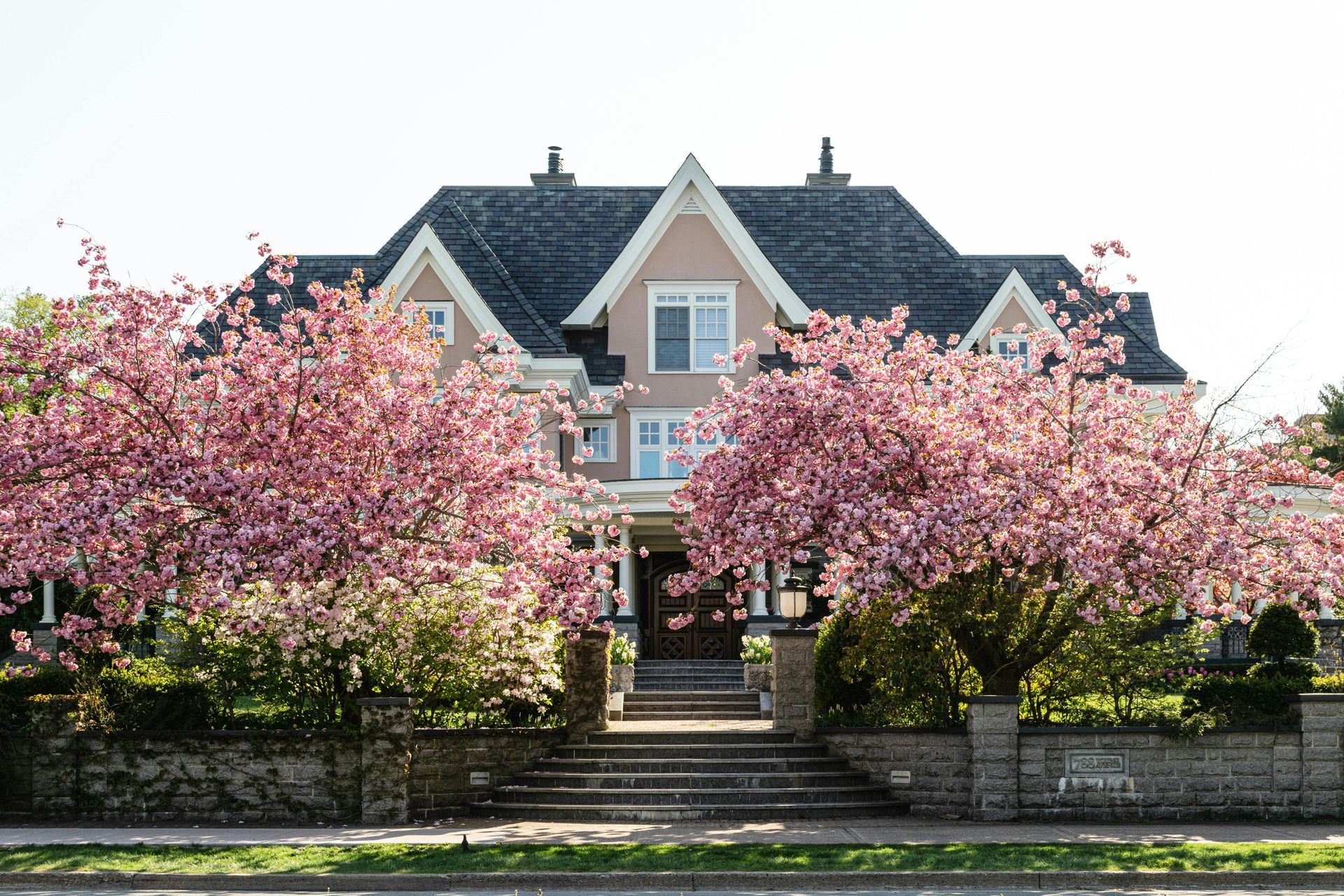
Chicagoland's suburban housing market showed continued resilience in April, even as sales stagnated compared to a year ago.

Let's review the signs that it might be time to downsize as well as the signs that it's not. If you determine now is the time, we'll also share some considerations as well as some steps you can take

Spring arrived in Chicagoland suburbs and so did homebuyers. The sales of detached, single-family homes were up 7.5% year over year in March, with 2,134 homes sold compared to 1,985 a year ago. Homes spent an average of 53 days on market, down slightly from 54 days last year. Median prices were up nearly 5%, from $385,000 in March 2025 to $403,250 last month. Months' supply for housing inventory was just 1.5 months across the entire Chicagoland PMSA, well below the five to six months that signals a balanced market. To put that in perspective, Bloomingdale currently has just 8 homes for sale, while a comparable community in Florida has roughly 2,000. "Inventory is still severely constrained and so we are seeing extreme competition for quality listings," said Kinga Korpacz, President of Mainstreet REALTORS®. "Buyers are waiving attorney review and inspections and coming in with significant earnest money." Buyers may find more options in Kane County, where new listings were up 14.5% last month, compared to the same time last year. Even in the attached home segment, where 1,086 homes sold compared to 1,094 a year ago and market time increased from 42 to 54 days, median prices climbed 5.6%, from $270,000 to $285,000. "Even though prices are on an upward path in the Chicagoland suburbs, the market feels predictable," said John Gormley, CEO of Mainstreet REALTORS®. "When things are moving this fast, local expertise from a Mainstreet REALTOR® isn't optional, it's essential. They're going to know the community inside and out, meaning where you have to move quickly and where you may have a day or two to make a decision." Aurora led the region in detached home sales during March with 100 homes sold, followed by Naperville and Arlington Heights. While detached homes across the region sold in an average of 53 days in March, several suburban communities saw average market time fall compared to a year ago: Arlington Heights (70 days to 25 days) Downers Grove (59 to 36) Geneva (35 to 25) Lombard (48 to 25) Streamwood (49 to 30) Tinley Park (107 to 37) Wheaton (24 to 10) Feeling squeezed out of the market? Look for pockets where you might have a little more room like Kane County. And if you're open to it, attached homes, which are condos and townhomes, are moving a bit slower right now, which could mean more time to make a decision and more options at a competitive price point.
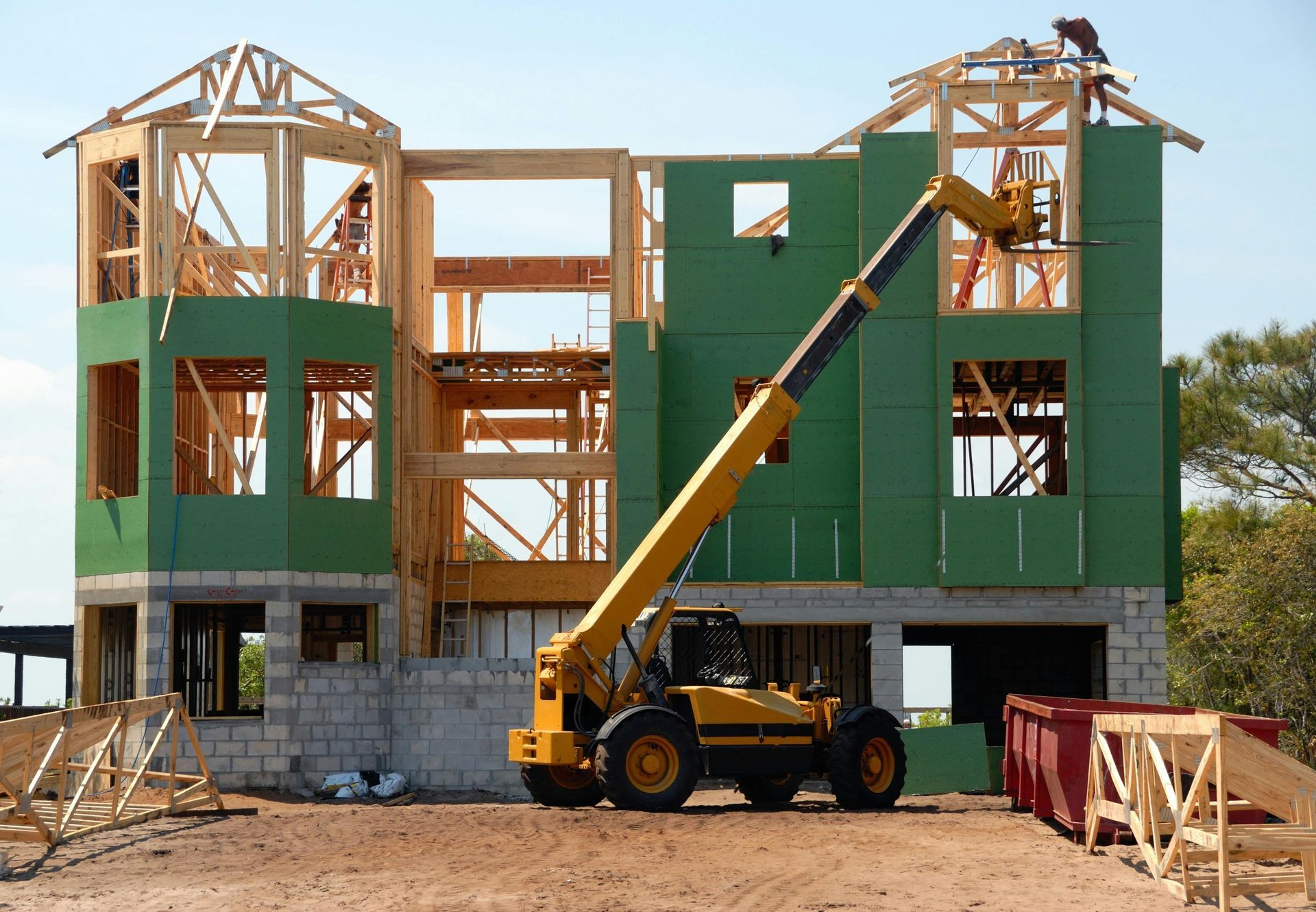
Suburban Chicago home sales slowed in February as inventory shortages continued to define the market. Sales of detached homes were down nearly 10% compared to the same month last year. A total of 1,445 homes sold last month, down from 1,596 in February.

We asked Mainstreet REALTORS® for their honest answers to consumers’ most pressing questions about residential real estate today. Here’s what they shared.

The Best Local Produce, Art and Welcoming Vibes in Town
